

HSS (High Speed Steel)
Alloy tool steel (e.g., M2, HS6-5-2) that is hardened through heat treatment. The classic standard for drill bits, end mills, and threading tools.
VHM (Solid Carbide)
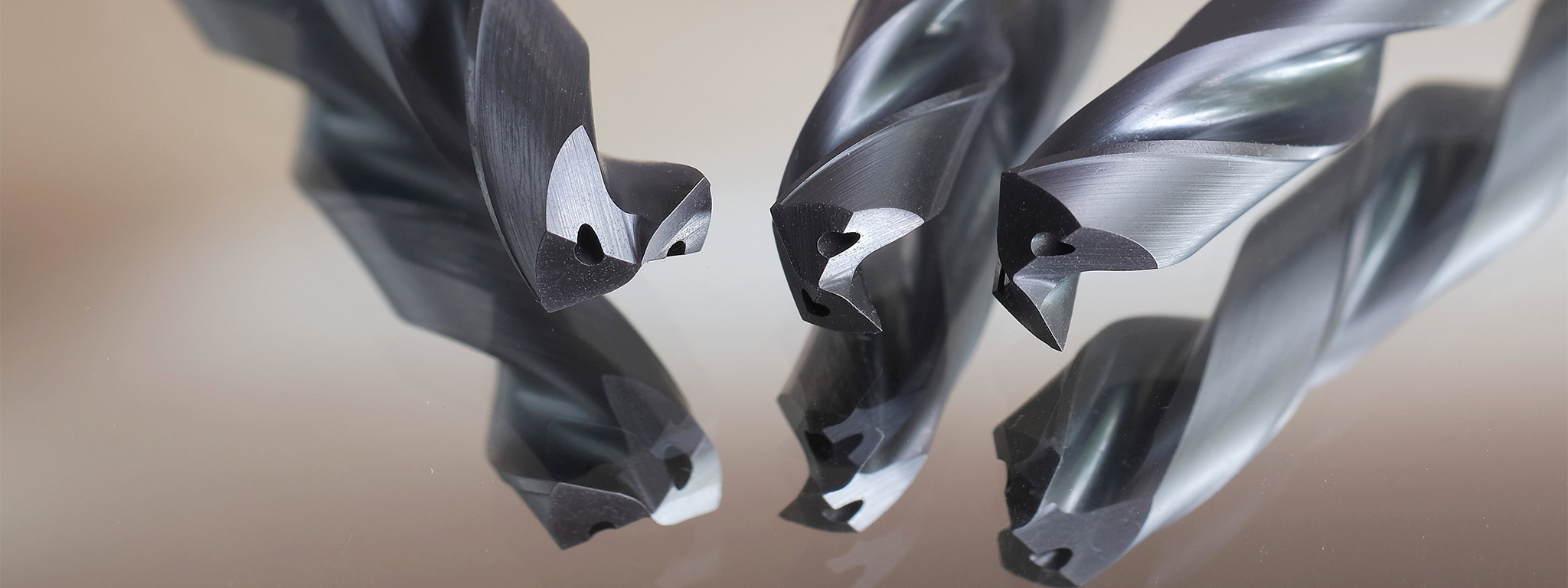
A sintered material consisting of hard metal grains (usually WC = tungsten carbide) and a binding metal (cobalt). Extremely hard and significantly more wear-resistant than steel.
Direct Comparison
| Property | HSS | Solid Carbide |
|---|---|---|
| Hardness | approx. 62–67 HRC | approx. 88–94 HRA (≈ much higher) |
| Wear resistance | medium | very high |
| Toughness (Fracture Resistance) | high | medium to low |
| Heat resistance | up to ~600 °C | up to ~900–1000 °C |
| Cutting speed | low–medium | high |
| Service life | slightly | significantly higher |
| Acquisition costs | low | high |
| Resharpenability | Very good | limited/laborious |
| Impact resistance | low | higher (more brittle) |
Applications
HSS – useful when:
- Single-unit or small-batch production
- Hand Drills and Drill Presses
- Unstable clamping / vibrations
- Interrupted cuts or harsh conditions
- Costs are a decisive factor
👉 Typical: universal drill bits, taps, simple milling cutters
Solid Carbide – Recommended When:
- Mass-production or high-performance machining
- CNC Machining at High Spindle Speeds
- hard or abrasive materials (stainless steel, cast iron, hardened steels)
- high precision and surface finish are required
👉 Typical: modern end mills, micro drills, high-performance tools
⚙️ Key practical difference (most important rule of thumb)
- HSS = durable, affordable, flexible
- Solid carbide = fast, precise, durable—but more delicate and more expensive
💡 In short
If you need stability and low costs → HSS
If you want to maximize productivity, tool life, and cutting speed → VHM
Contact us for more information!
Do you have any questions or would you like to request a quote? Our team is always at your disposal. Contact us now.